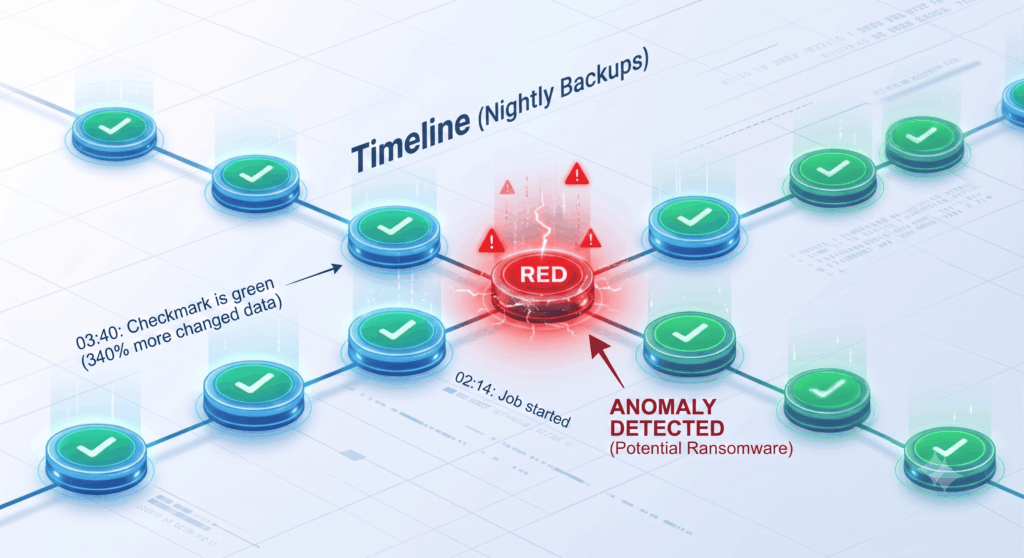
How Can AI Help Your Backup?
AI is moving into backup — anomaly detection, failure prediction, clean restore points. Here’s what actually works today, and what still needs a human.


AI is moving into backup — anomaly detection, failure prediction, clean restore points. Here’s what actually works today, and what still needs a human.
Many businesses have moved to AWS. The infrastructure is reliable, the services are mature, and data is stored safely in a European region. What could still go wrong?
More than most IT managers expect. Because AWS protects the platform — not what you put on it. The responsibility for your data lies with you, not with Amazon. This is called the Shared Responsibility Model, and it is the most underestimated agreement in cloud computing.

Many organisations that have migrated to Google Cloud feel protected. Google manages the infrastructure, offers availability zones, geo-redundancy and its own Backup & DR service. What could still go wrong?
More than most IT managers expect. Because Google Cloud protects the platform — not what you put on it. The responsibility for your data lies with you, not with Google. This is called the Shared Responsibility Model, and it is the most underestimated agreement in cloud computing.
It is one of the most common assumptions in modern IT: we moved to the cloud, so our data is safe. Azure is managed by Microsoft. Google Cloud is managed by Google. AWS is managed by Amazon. Surely, with all that infrastructure and all those resources, our data is protected.
This assumption is understandable — and it is wrong.
An employee accidentally deletes a folder containing three years of client contracts. The IT manager calmly opens OneDrive — everything is stored there, right? But the folder is gone. OneDrive has neatly synchronized the deletion to all devices, and the recycle bin was emptied 30 days ago.

Many organisations are moving towards multicloud setups. The idea seems logical. If one provider fails, another should keep services running. This creates a sense of redundancy and safety.
However, recent large scale outages show a different reality. When major cloud platforms experience disruptions, access to applications and data can be affected across regions and services at the same time.
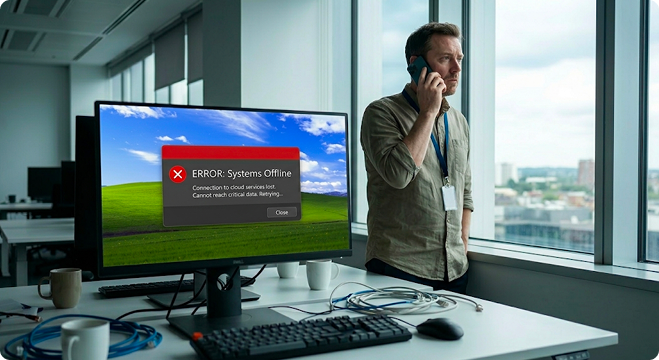
SaaS outages can stop operations instantly. Learn why organisations need independent backup and recovery to maintain continuity.
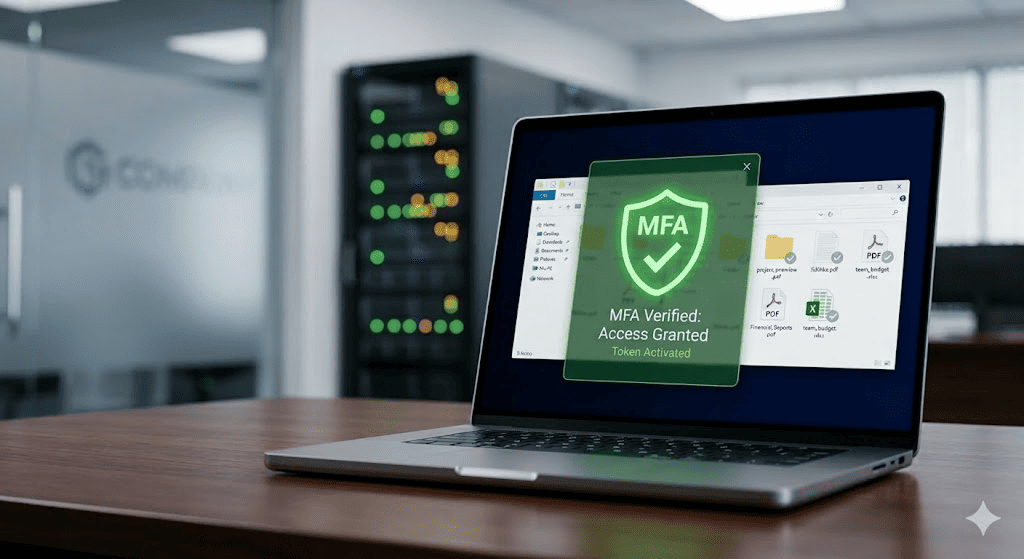
An IT manager at a mid-sized logistics firm receives an alert: an admin account has been deleting files for the past two hours. The account shows no failed logins. MFA was never triggered. The attacker did not break in — they walked in using a stolen session token extracted from a compromised laptop.
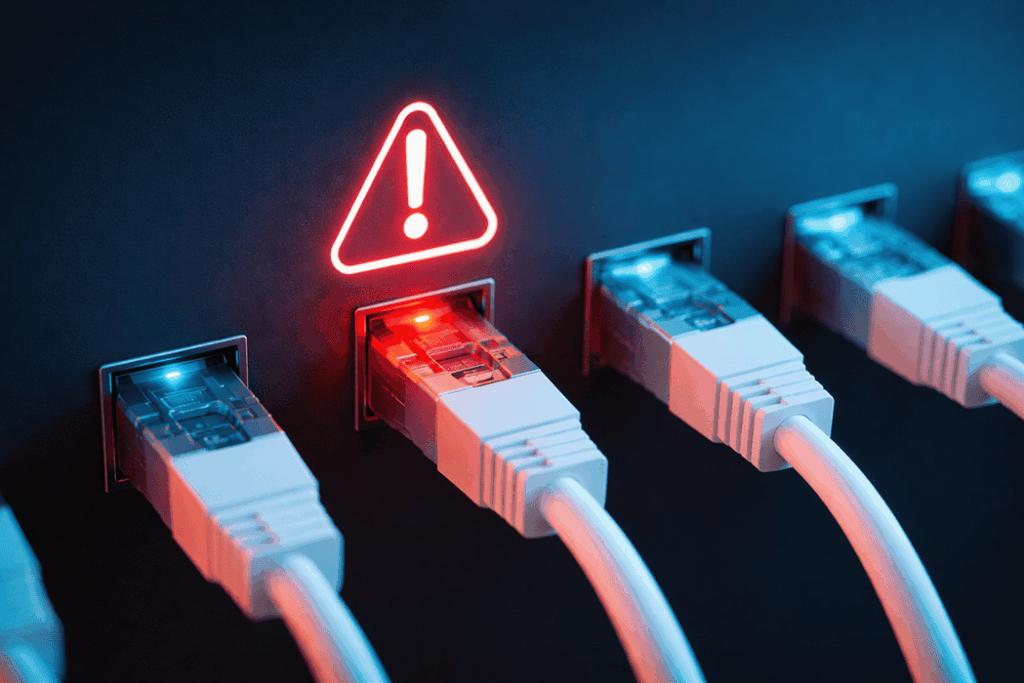
One hour of downtime can cost far more than lost revenue. It includes productivity loss, contractual exposure, regulatory risk under GDPR and NIS2, insurance implications and leadership accountability. For many mid-sized organisations, the cost of downtime can reach tens of thousands per hour. The real risk is not the outage itself, but whether you can prove you are able to recover quickly and responsibly.
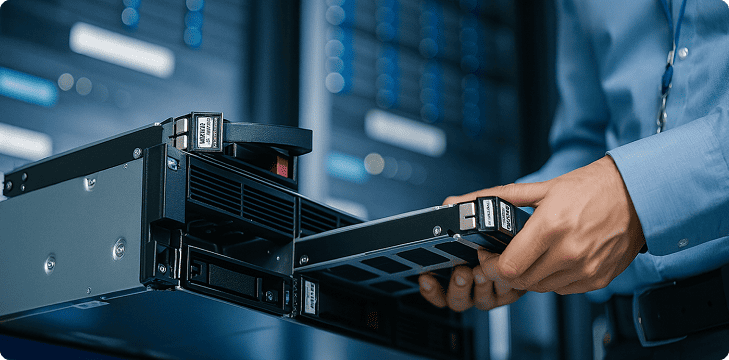
In today’s European business landscape, data is one of the most critical assets an organization has. Many companies maintain backups, but too often, backups are assumed to work rather than proven to be effective. Effectiveness means more than storing copies of data, it requires confidence that data can be restored when needed, in compliance with regulations, and within acceptable operational limits.
With increasing regulatory demands under GDPR, NIS2, and ISO 27001, organizations must demonstrate that backup and recovery processes are not just present, but measurable, verifiable, and reliable. Without this assurance, organizations risk not only operational disruption but also reputational damage and unplanned costs.