

navlogo_blue

English

Dutch

Cyber Security

Cyber Security

How Do I Know If My Backup Actually Works?

The backup runs every night. All the green checkmarks are there. The IT manager sleeps soundly. But has anyone ever actually tried to restore something?
This is the most common vulnerability in backup strategy: the difference between “the backup runs” and “we can recover.” These are two fundamentally different things. And most organizations discover this difference at the worst possible moment — in the middle of an incident, under maximum pressure.


Cyber Security

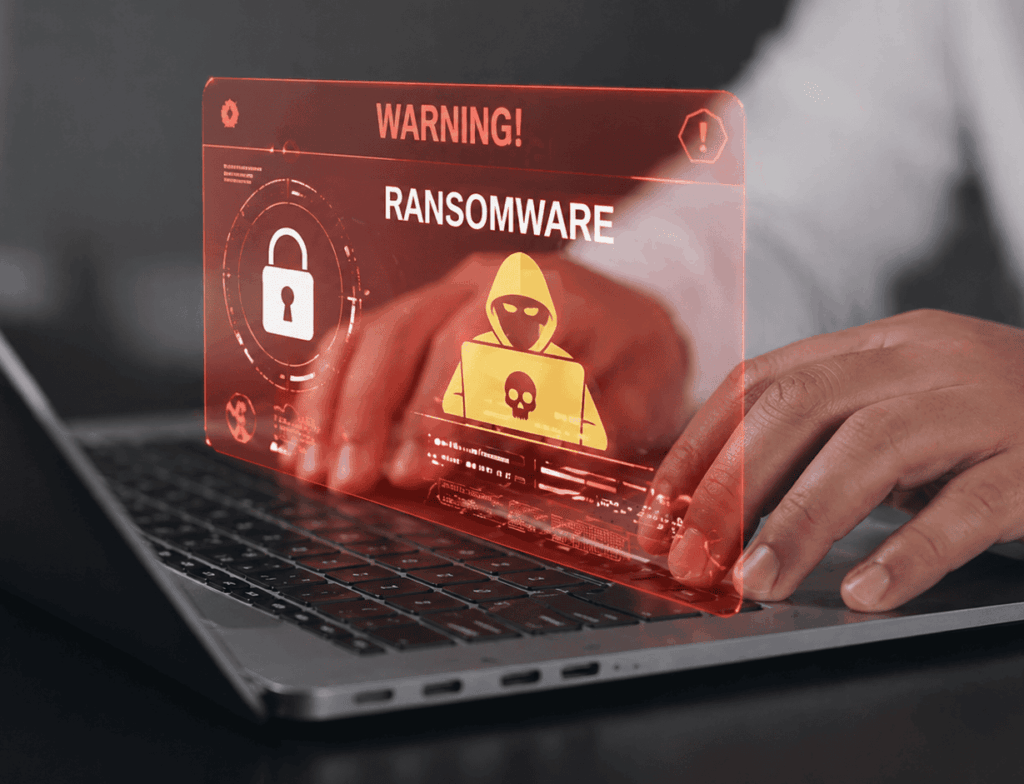
Should You Pay the Ransom After a Ransomware Attack?

It’s two in the morning and every screen in your organization shows the same message: your files have been encrypted, pay within 72 hours or your data will be published. The pressure is immense. Customers can’t be served, employees are at a standstill, and someone in the emergency meeting asks: “Can’t we just pay?”

modern-it-ecosystems
Cyber Security

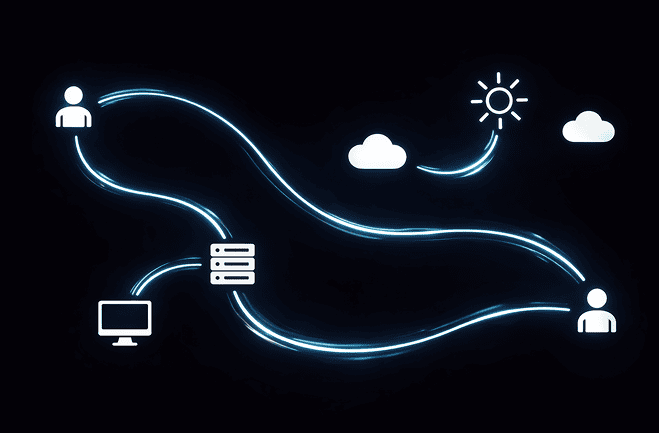
Modern IT: The Risks Most Organisations Overlook

Most organisations think they have their IT risks covered. Backups are running. Uptime is monitored. Incidents have a response plan.
But there is a category of risk that sits outside all of that — and it only becomes visible when recovery fails. A SaaS provider goes offline. A managed service provider is compromised. A critical API stops responding. Suddenly, internal processes grind to a halt, even though your own infrastructure is still running. Your backups exist. Your servers are online. And yet: you cannot recover.

Cyber Security

Emerging Cybersecurity Risks from AI Browsers

As organizations increasingly rely on PowerBI for real-time analytics, the shift to hybrid cloud environments introduces new challenges in data management. With data spread across on-premises systems and cloud platforms, ensuring robust protection becomes essential to avoid interruptions in decision-making processes. This is particularly relevant in the EU, where regulations like GDPR and NIS2 demand strict controls over data residency and recoverability.

Cyber Security

Proactive Threat Hunting in Healthcare Backups

In the evolving landscape of cyber threats, healthcare organizations face unprecedented risks to their data integrity and operational continuity. With agentic AI enabling more autonomous and adaptive attacks projected for 2026, proactive measures like healthcare backup threat hunting become essential. This approach involves systematically searching for hidden threats within backup systems before they escalate, directly supporting ransomware uptime in EU-regulated environments where downtime can endanger lives and trigger severe fines.

Cyber Security

Lessons from the UniSuper Incident: Why Third-Party Backups Are Essential for Cloud Recovery

In May 2024, a major Australian pension fund, UniSuper, experienced a catastrophic outage when Google Cloud accidentally deleted its entire private cloud account. Managing $125 billion in assets for 620,000 members, the fund was offline for over a week, highlighting the vulnerabilities in depending solely on hyperscaler providers for data protection. This incident serves as a stark reminder for EU and UK organizations about the importance of independent backups, especially as GDPR directives ramp up requirements for demonstrable cyber resilience.

Scroll to Top